
Remember that feeling of staring at a game manual thicker than a textbook, overwhelmed by intricate rules and a mountain of controls? Many potential gamers are turned off before they even start, intimidated by the perceived complexity of modern gaming. But what if there was a way to enjoy the thrill of gaming without the pressure cooker environment? Enter the world of low-stakes gaming!
Low-stakes games are designed for accessibility. They’re easy to learn, simple to master, and offer a relaxed, enjoyable experience, perfect for beginners or anyone looking for a casual gaming fix. It’s about the fun, not the competition.
I remember the first time I played a simple puzzle game on my phone. No complicated strategy, no need to memorize combos, just pure, unadulterated fun. It was a revelation! It proved that gaming didn’t have to be a stressful, competitive arena. Turns out, gaming for beginners can be that accessible.
This guide is your passport to the world of beginner games and casual games. We’ll explore curated lists of awesome titles across different platforms, offer practical advice for getting started, and help you discover the joy of low-stakes gaming.
What Defines a ‘Low-Stakes’ Game?
The world of gaming can seem intimidating, filled with complex rules, demanding strategies, and intense competition. But what if you’re just looking for a little fun without the pressure? That’s where low-stakes games come in. But what exactly makes a game “low-stakes”? It boils down to a few key elements that make them beginner-friendly and enjoyable for casual players.
First, simple rules are paramount. A low-stakes game shouldn’t require hours of studying a rulebook. The core mechanics should be easy to grasp, allowing you to jump right in and start playing. Think of classic card games or simple board games – the rules are intuitive, and you can learn as you go. This is in stark contrast to more involved games that demand a significant time investment just to understand the basics.
Second, short playtime is a defining characteristic. You shouldn’t need to dedicate an entire evening to a single game. Low-stakes games are perfect for filling a few spare minutes or enjoying a quick round during a break. This contrasts sharply with longer, narrative-heavy games.
Finally, minimal pressure to perform is crucial. These games are about fun, not cutthroat competition. The gameplay is forgiving, and mistakes don’t carry heavy consequences. This relaxed atmosphere is especially important for beginners, who might feel overwhelmed by the pressure to “win” in more competitive settings. It’s about creating a space where everyone can enjoy themselves without fear of failure.
Why Low-Stakes Games are Perfect for Beginners
Embarking on the gaming journey can be both thrilling and a bit daunting, especially when faced with complex rules and seasoned players. That’s where low-stakes games step in as the ideal starting point, offering a gentle introduction to the world of gaming with numerous benefits tailored for beginners.
One of the most significant advantages of low-stakes games is the reduced anxiety they provide. Without the pressure of high-stakes competition, beginners can relax, experiment, and make mistakes without fear of significant repercussions. This relaxed environment fosters a faster learning curve, allowing new players to grasp the fundamentals of the game more quickly and effectively. The absence of intense pressure allows a focus on understanding game mechanics and strategy.
Moreover, low-stakes games are fantastic for building confidence. As beginners gradually improve their skills and achieve small victories, their self-assurance grows, motivating them to continue learning and exploring more challenging aspects of the game. This positive feedback loop is crucial for maintaining interest and fostering a long-term love for gaming. But it’s not just about skills; low-stakes games also increase enjoyment. They provide a more casual and social experience, emphasizing fun and interaction with other players. The recreational aspect of gaming takes center stage, making it an enjoyable pastime rather than a stressful competition.

Top Low-Stakes Board Games for Beginners
Diving into the world of board games can be a blast, but with so many options, it’s easy to feel overwhelmed. That’s why starting with low-stakes, beginner-friendly games is a smart move. These games are easy to learn, quick to play, and perfect for introducing friends and family to the fun of tabletop gaming.
Game Suggestion 1: Ticket to Ride
Ticket to Ride is a fantastic entry point into the world of modern board games. The goal is simple: collect colored train cards and claim railway routes connecting cities across a map of North America (or Europe, or Asia, depending on the version!). Gameplay involves drawing train cards, claiming routes by spending matching sets of cards, and completing secret “ticket” objectives that reward you for connecting specific cities. What makes it great for beginners? The rules are straightforward, the decisions are engaging but not paralyzing, and the game offers a satisfying sense of accomplishment as you build your railway empire. It strikes a perfect balance between strategy and luck, ensuring everyone has a chance to win.
Game Suggestion 2: Codenames
Codenames is a word association game that’s perfect for parties and family gatherings. Two teams compete to identify their secret agents hidden among a grid of words. One person on each team acts as the “spymaster,” giving one-word clues that relate to multiple words on the board. The challenge lies in finding clever clues that connect several of your team’s words while avoiding the assassin word, which leads to immediate defeat. Codenames is excellent for beginners because it encourages creative thinking, teamwork, and communication. It’s easy to learn, quick to play, and offers endless replayability as the word combinations change every game.
Game Suggestion 3: Carcassonne
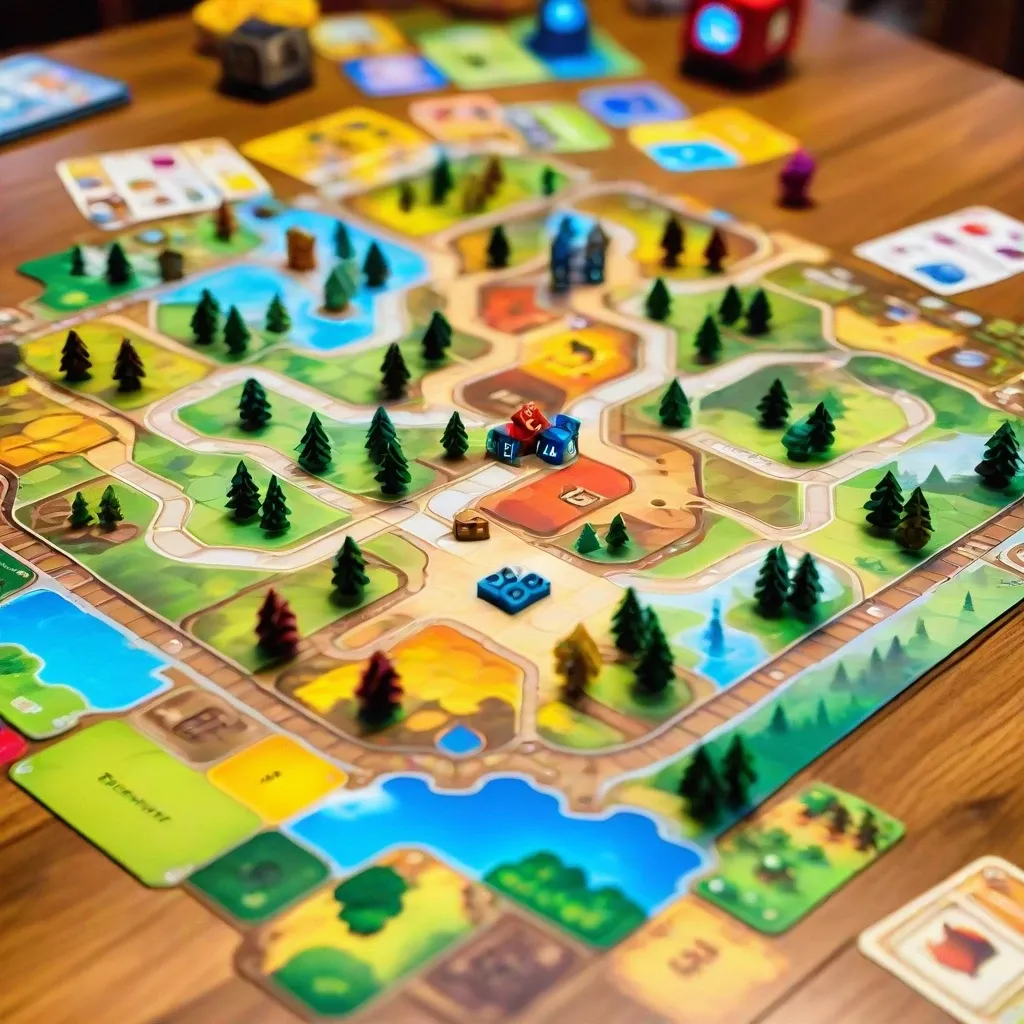
Carcassonne is a tile-laying game where players build a medieval landscape, one tile at a time. Each tile features a section of a road, city, field, or cloister. Players take turns drawing and placing tiles, expanding the landscape, and claiming features like roads, cities and farms by placing their meeples (little wooden followers) on them. The game ends when all the tiles have been placed, and players score points based on the features they completed. It is good for beginners because the rules are simple, while still offering some strategic choices. The best part is that every game feels different. I remember playing this game with my family at Christmas. It was complete chaos, but so enjoyable.
Top Low-Stakes Card Games for Beginners
Diving into the world of card games can be intimidating, but it doesn’t have to be! There’s a whole universe of engaging, low-stakes card games that are perfect for beginners. These games focus on simple rules, quick gameplay, and lots of fun, making them ideal for family game nights or casual gatherings. Get ready to shuffle, deal, and laugh your way to card game mastery!
Game Suggestion 1: Go Fish
Go Fish is a classic for a reason! The goal is simple: collect the most sets of four-of-a-kind cards. Gameplay involves asking other players if they have a card of a specific rank (“Do you have any sevens?”). If they do, they must hand over all cards of that rank. If they don’t, they say “Go Fish,” and you draw a card from the draw pile. The game continues until all sets have been made. Go Fish is a fantastic beginner card game because it requires minimal strategy and emphasizes recognizing card values. A great variation for young children is to play with fewer cards, or only use cards of a certain suit to start.
Game Suggestion 2: Crazy Eights
Crazy Eights provides a slightly more strategic experience while keeping things beginner-friendly. The objective is to be the first player to get rid of all your cards. Players take turns matching the rank or suit of the top card on the discard pile. The “crazy” part? Eights are wild and can be played as any rank or suit! This element of choice adds a layer of excitement and allows for some clever plays. To simplify the game, remove some of the eights or agree to only allow the suit to be changed when an eight is played. It is a simple easy card game to enjoy.
Game Suggestion 3: War
War is about as simple as a card game can get, which makes it perfect for very young children or those completely new to cards. The deck is divided equally between two players. Each player simultaneously reveals the top card of their pile, and the player with the higher-ranking card wins both cards, adding them to the bottom of their pile. If the cards are the same rank, it’s “War!” Each player places three cards face down and then reveals a fourth card. The player with the higher fourth card wins all the cards. The war continues until one player has all the cards. This is a casual card game that requires no decision-making, just pure luck and a little bit of math skill when comparing numbers. If you happen to tie a lot, shuffle the deck real good!
Top Low-Stakes Video Games for Beginners
Diving into the world of video games can be intimidating. Complex controls, steep learning curves, and competitive online environments can quickly turn fun into frustration. Fortunately, there’s a treasure trove of low-stakes video games perfect for beginners. These games prioritize relaxation, exploration, and simple mechanics, making them an ideal starting point. Whether you are looking for a relaxing way to unwind or a gentle introduction to gaming, you’re sure to find something to enjoy. The key is to start with games that are easy to pick up and play, with forgiving gameplay that allows you to learn at your own pace. Consider factors like the availability of tutorials, adjustable difficulty settings, and the platform you prefer (PC, console, or mobile). Here are a few suggestions to get you started.
Animal Crossing: New Horizons
Animal Crossing: New Horizons is the ultimate chill-out game. You arrive on a deserted island, build a home, and create a thriving community of adorable animal villagers. There’s no pressure, no real objectives—just pure, unadulterated relaxation. The gameplay involves collecting resources, crafting items, decorating your island, and interacting with your neighbors. It’s incredibly intuitive, with simple controls and plenty of guidance. The game’s strength lies in its freedom; you can play at your own pace, focusing on whatever activities you find most enjoyable. Whether you’re into fishing, bug catching, interior design, or simply chatting with your animal friends, Animal Crossing: New Horizons offers a welcoming and stress-free experience.
Stardew Valley
Stardew Valley combines farming simulation with RPG elements in a charming and addictive package. You inherit your grandfather’s dilapidated farm and set about restoring it to its former glory. You’ll plant crops, raise animals, mine for resources, and build relationships with the townsfolk. While there are long-term goals, the game never pressures you to rush. The gameplay loop is incredibly satisfying, and there’s always something to do. Stardew Valley is easy to learn but offers surprising depth, with plenty of secrets to uncover and skills to master. Don’t be intimidated by the farming aspect; the game provides clear tutorials and plenty of helpful resources.
Slime Rancher
Slime Rancher is a first-person life simulation adventure where you play as Beatrix LeBeau: a rancher venturing to a far, far range to live the life of a slime rancher. Each day, you can explore your colorful world to discover new slimes and resources to bring back to your ranch. The game is very entertaining and provides good exploration and discovery loops while teaching new players core habits inherent to video games. It is cute, cuddly, and endlessly charming. The game’s vibrant visuals and lighthearted tone create a relaxing and enjoyable atmosphere. There’s a good mix of freedom and progression, and it’s a solid option for anyone looking for a casual and relaxing game without any high-stakes scenarios.
Tips for Creating a Positive Gaming Experience
Gaming should be fun, right? But sometimes, the pressure to win, the intensity of competition, or just plain old bad attitudes can turn a potentially awesome gaming session into a stressful experience. The good news is, it doesn’t have to be that way! With a little effort and some mindful choices, anyone can help create a more positive gaming environment for themselves and others.
Choose Your Companions Wisely
One of the biggest factors in enjoying a relaxed gaming session is who you’re playing with. Seek out groups or individuals who share your values about gaming. Are you looking for a super competitive experience where winning is everything? Great, find others who are like-minded. Or are you more interested in casual fun and exploring the game’s world at your own pace? There are plenty of gamers out there who feel the same way. Don’t be afraid to shop around until you find your tribe. Inclusive gaming starts with selecting people who are aligned with positive and respectful interactions.
Patience is a Virtue, Especially with Beginners
Everyone starts somewhere. Remember that feeling of being totally lost when you first picked up a controller or keyboard? Being patient with new players is crucial for a positive gaming environment. Offer help, share tips, and celebrate their small victories. Avoid criticizing mistakes or making them feel inadequate. A little encouragement can go a long way in boosting their confidence and making them feel welcome.
Focus on Fun, Not Just Winning
While winning can be exciting, it shouldn’t be the sole focus of your gaming experience. Try to appreciate the journey, the camaraderie, and the funny moments that happen along the way. Setting personal goals or challenges can be a great way to stay engaged without solely fixating on the scoreboard. Remember to laugh, joke around (appropriately, of course), and enjoy the shared experience. Sometimes, the most memorable gaming moments come from unexpected failures or hilarious mishaps.
Celebrate Small Victories
Did a new player finally manage to complete a challenging jump? Did someone pull off an amazing combo for the first time? Acknowledge and celebrate those small victories! Positive reinforcement can make a huge difference in a player’s motivation and enjoyment. A simple “Nice job!” or “Way to go!” can go a long way in creating a more supportive and encouraging gaming atmosphere. It reinforces positive behavior and fosters a sense of accomplishment, even if you’re not topping the leaderboard.
I remember once playing a co-op game with some friends who were new to the genre. They were constantly dying and struggling to keep up. Instead of getting frustrated, I decided to focus on helping them learn the ropes. I offered advice, shared strategies, and celebrated every small improvement they made. By the end of the session, they were having a blast, even though we didn’t actually “win” the game. The shared laughter and feeling of accomplishment were far more rewarding than any victory screen.
Conclusion
Low-stakes gaming offers a fantastic entry point into the world of video games, especially for beginners. The games discussed provide accessible gameplay, minimal pressure, and opportunities for quick fun. These titles prove that gaming doesn’t require complex controls or a huge time commitment to be enjoyable.
If you’ve been hesitant to dive into gaming, now is the perfect time to start. Embrace the simplicity and entertainment that low-stakes games provide. You might be surprised at how much you enjoy them, and they could even pave the way for exploring more complex games in the future. So, why not embark on a casual gaming adventure today? A world of easy-to-learn, engaging experiences awaits!